
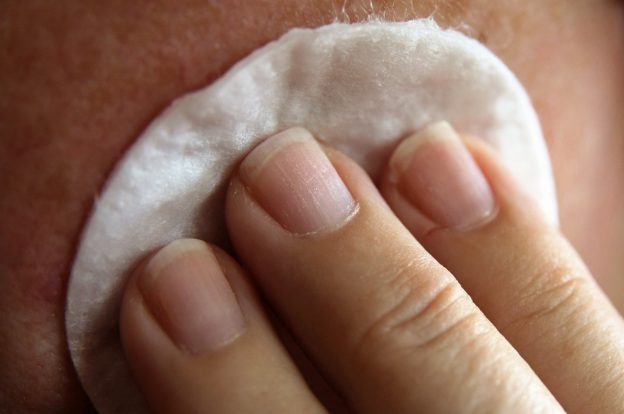
Different Essential Types Of Facials
With all the promotion for various kinds of facials, it can be difficult to comprehend out what is being given, much less what is beneficial for you. The following are the basic types of facials.
Acne Facials
Some of the common words associated with acne facials are clarifying, purifying or deep cleansing. Acne facials follow the same framework as basic facials but often use stronger chemicals, such as salicylic or glycolic acids.
While ideal for individuals with oily and uneven skin, it is not recommended other skin types due to the harsh chemicals most acne facials use. In severe cases, an esthetician will likely recommend a dermatologist, as facials may not be enough to solve the problem.
Anti-Aging Facials
Anti-aging facials are advertised as such and use words like rejuvenating or even lifting in the description. These facials are designed to reduce the signs of the aging process on the face.
To do so, most anti-aging facials use exfoliants, such as lactic or glycolic acid, and frequently include collagen building treatments. These facials may also include measures such as microdermabrasion, where micro-particles are blasted across the skin and vacuumed up; microcurrent, where the facial tissue is stimulated by running a slight current through the skin; or light therapy, which emits intense light pulses over the skin. While some of these methods may lead to slight irritation, they should result in nothing more than a slight redness.
Since stress also affects aging and skin conditions, any anti-aging facial should incorporate massage in addition to chemical treatments.
Facials products for men are made the same as the ladies though they contain chemicals made for shaving problems.
Basic Facials
 A basic facial will include cleansing, examination, exfoliation, facial massage and a facial mask. Extractions may or may not be required, but often form a part of this type.
Many products are used during a basic facial. However, imparting knowledge about what these are used for and how they interact with different types of skin is the esthetician’s responsibility. During the pre-treatment phase, he or she should gather information about medical conditions, products you are already using and other preferences.
Ask the esthetician to explain for any details you will like to know in future. In a basic facial, there is an assumption of limited background. Once you have more experience with the basic facial, you can ask the esthetician for add-ins that would suit your skin or about variations on the basic formula.